Home / Pipeline Engineering Services
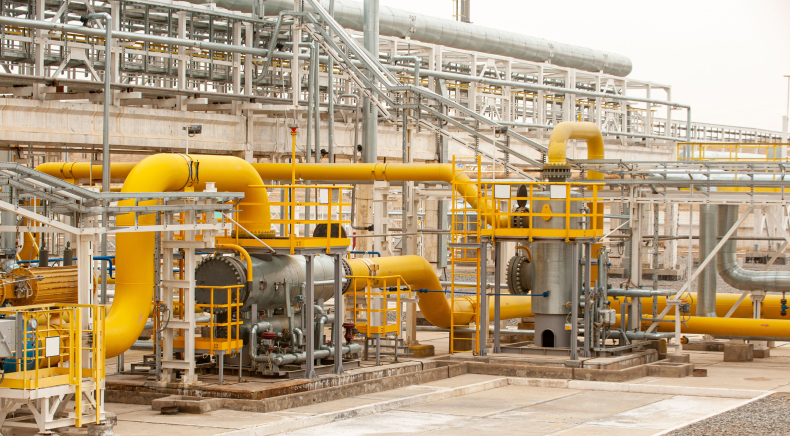
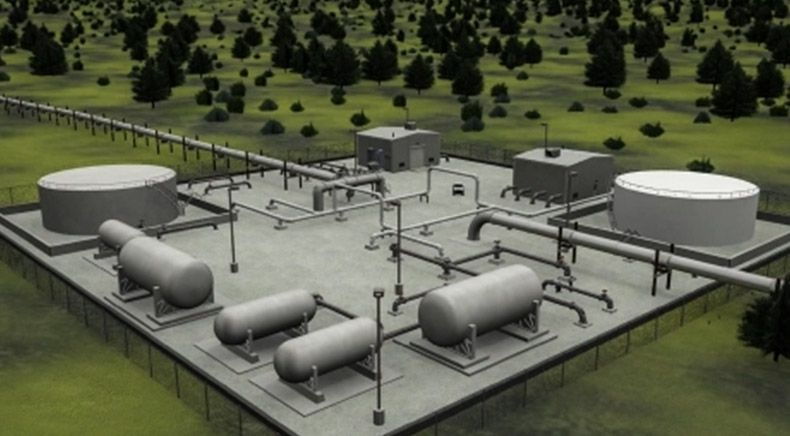
Our design and pipeline engineering services ensure safe, reliable, and cost-efficient pipeline systems across onshore, offshore, and cross-country applications. From route selection to stress analysis and integrity assessment, we help clients transition seamlessly into detailed engineering and execution phases.
Precision. Innovation. Reliability.
Our design and pipeline engineering services deliver complete engineering support — from conceptual design to technical specifications. We develop optimized pipeline systems that meet operational performance targets while ensuring safety, regulatory compliance, and economic feasibility.
We support EPCs, PMCs, operators, and asset owners with robust engineering deliverables that include route studies, stress analysis, material selection, and system configurations. As your pipeline engineering consultants, we engineer the pipeline network to operate reliably across diverse terrains, climates, and process conditions.
Our Design & Pipeline Engineering Services cater to EPCs, PMCs, and OEM owners/operators that include:
We assess technical, environmental, and economic factors to define the most efficient pipeline route. Our engineering feasibility study services help clients make informed decisions regarding cost, constructability, and performance.
Route Analysis Terrain, accessibility, ROW, and environmental impact
Risk Identification Geohazard evaluation, safety, and environmental risks
Cost Assessment CAPEX, OPEX, constructability & land acquisition costs
Regulatory Evaluation Compliance review with regional and national requirements
We develop hydraulic models to ensure safe, continuous, and efficient fluid transport. Our analysis prevents operational issues such as pressure surges, flow instability, and equipment failure.
Hydraulic Profiles Pressure, temperature & flow modeling
Equipment Sizing Pumps, compressors & control systems
Surge Analysis Identifying transient loads to prevent pipeline rupture
Flow Assurance Ensuring stable flow under varying conditions
As your pipeline engineering consultancy, we perform advanced mechanical and stress analysis to ensure structural integrity under operational, environmental, and accidental load cases.
Stress Analysis Using CAESAR II for sustained occasional & thermal loads
Crossing Design Roads, highways, rail, rivers & utility corridors
Flexibility Analysis Ensuring safe reactions at equipment & supports
Wall Thickness Calculations For internal/external pressure & buckling
We define materials and corrosion protection strategies to enhance lifecycle performance and reliability.
Material Selection Carbon steel, SS, duplex, lined & coated pipes
Standards Compliance Adherence to API, ASME & NACE guidelines
Corrosion Control CP system design & coating specifications
Design Criteria Operating conditions & environmental exposure
With a specialist focus on pipeline design services, we prepare complete construction package deliverables for seamless execution and commissioning.
Alignment Sheets Detailed route maps with engineering data
Test Plans & Procedure Hydrotest, pre-commissioning & tie-ins
Isometrics & GA Drawings For fabrication & field execution
Bill of Materials Accurate material take-offs
Industries Served
Partner with our pipeline engineering consultants to design safe, efficient, and code-compliant piping networks.
Lower Lifecycle Costs
Optimized pipeline designs reduce rework, material waste, and energy consumption.
Faster Startup
Clear engineering packages enable quicker approvals and smoother construction.
Reduced Project Risks
Comprehensive design reviews ensure compliance and operational safety.
Better Risk Control
Robust analysis and corrosion control strategies improve system uptime.
Pipeline engineering typically involves feasibility studies, route selection, preliminary design, FEED, detailed engineering, and support during construction, depending on the project scope. Timelines vary based on pipeline length, terrain, design complexity, regulatory requirements, available data, and project interfaces. Rishabh Pro Engineering defines engineering milestones and deliverable schedules in consultation with the client.
Yes. Engineering assessments can help evaluate existing pipeline assets for continued service, modification, or life extension. Depending on the agreed scope and available data, activities may include reviewing design documentation, operating conditions, material properties, corrosion information, inspection findings, and loading conditions. The findings can support decisions on repair, rerating, modification, or further integrity assessment, subject to applicable codes and assessment requirements.
We consider soil-pipe interaction and relevant terrain conditions when assessing pipeline stresses and deformation. Depending on the project, the analysis may account for soil restraint, settlement, ground movement, slope instability, seismic effects, and other applicable geohazards. Soil properties, route information, geotechnical data, operating conditions, and project design criteria inform the analysis approach and help identify critical locations requiring further evaluation or design measures.
Typical inputs include the pipeline route and alignment, design basis, fluid properties, flow rate, design pressure and temperature, pipeline specifications, material requirements, topographical and geotechnical data, applicable codes, and available process or hydraulic calculations. For existing pipelines, as-built drawings, operating history, inspection records, and known modifications are also useful. The required inputs depend on the project phase and agreed engineering scope.
Pipeline engineering focuses on transporting fluids over distances between facilities, such as plants, terminals, and distribution networks. It involves route selection, hydraulics, pipeline wall thickness, geotechnical considerations, crossings, and right-of-way requirements. Piping engineering primarily addresses interconnected piping systems within facilities, including equipment connections, layout, flexibility, stress analysis, supports, and maintainability. Both disciplines require coordinated engineering to ensure system integrity, safety, and reliable operation.
We’re ready to collaborate. Get in touch to discuss how Rishabh Pro Engineering can support your next project.